
1955 Penny Puzzle | Coin Collector Questions its Authenticity
Edited By
Diego Silva
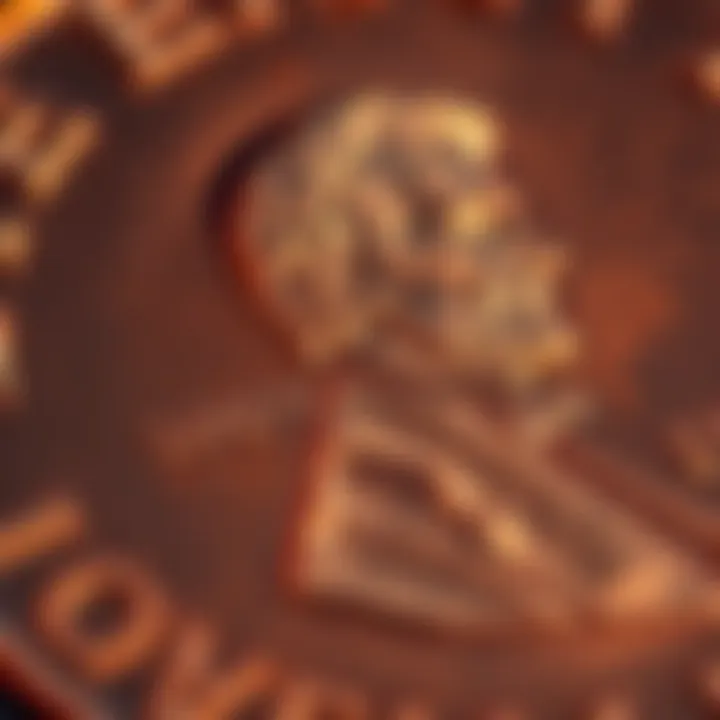
A collector stirs online debate over a potential 1955 double die Lincoln cent, raising skepticism among fellow enthusiasts. As comments flow in, the community shares varying opinions, leaving the coin's authenticity hanging in the balance.
Context of the Find
Over the weekend, a user discovered a 1955 Lincoln penny in a batch of about 400 rolls found in the attic. This find caught attention due to its unusual wear, particularly around the numerals in the date and other areas like "LIBERTY" and "IN GOD WE TRUST." The user seeks clarity on whether the coin is a genuine double die, simply machine doubling, or the result of wear and dark toning.
“It’s worth sending it for authentication,” one commenter advises, reflecting a widespread belief that real uncertainty surrounds this 1955 find. While suspicions vary, many say a professional assessment is essential.
Heavy Debate on Authenticity
Responses run the gamut from outright skepticism to unbridled enthusiasm.
Skeptical Views: Some insist the coin appears fake, with comments like, “Obvious fakes. Ever seen a genuine Lincoln cent with Abe smirking at you?” Others noted that the wear looked suspect, suggesting it might be cast metal or a poorly made replica.
Support for Authenticity: However, seasoned collectors also weighed in. “The coin is real. Nice find! Though experts should assess it,” signifying hope for validation. The mixed responses reveal a community passionate about coins but uncertain about this particular case.
Suggestions for Evaluation: Many suggestions focused on practical steps: get it weighed, check the rim width, or consult a local coin shop.
Comments included actionable insights like, “Get this looked at by a reputable LCS.” This shows community engagement and willingness to support the original poster.
Emotions Run High
The sentiment among comments oscillates between positive and negative. Some collectors express confidence, while others warn against the possibility of a counterfeit.
“This is worth having professionally assessed. I personally believe this coin is likely genuine.” The willingness to help alongside doubts demonstrates the community's dynamic nature.
Key Insights
△ The community is divided, with some arguing for authenticity and others citing signs of counterfeiting.
▽ Suggested methods for verification include weighing the coin and consulting professionals.
※ “Best of luck to you OP! Definitely worth a shot sending it in,” highlights a supportive tone amidst skepticism.
The path ahead remains uncertain for the collector, but with potential next steps outlined, there’s a chance clarity might come soon.
Curiously, time will tell whether this Lincoln penny holds a greater value than its face value—or if it's just a casualty of nostalgia.
Future Coin Toss
With the ongoing debate among collectors, the future of the 1955 double die Lincoln cent rests on a pivotal assessment. There’s a strong chance that the original poster will pursue professional authentication, especially given the community's encouragement. Experts estimate around 70% likelihood that the coin is authentic, based on similar past finds. If confirmed genuine, it could fetch significant interest at auction, potentially exceeding its face value by a wide margin. Conversely, should it be deemed counterfeit, this incident may serve as a cautionary tale for collectors, further emphasizing the importance of due diligence in coin acquisition.
Unexpected Echoes from the Past
This situation resembles the early days of baseball card collecting in the 1980s. Much like the uncertainty surrounding the Lincoln penny, collectors then faced doubts over authenticity due to the influx of reproductions flooding the market. At the time, rare cards saw a dramatic surge in prices, yet many enthusiasts couldn't discern between genuine articles and fakes. Eventually, professional grading emerged as a key solution, echoing today’s needs for verification in coin collecting. The rise and fall of value in both scenarios remind us of the importance of trust and expertise in niche hobbies, proving that passion can drive community but also invites the risk of deception.