
Trump Strikes Back | Posts 'VETO' MAGA Cap After Democrats Gain Control
Edited By
Aisha Malik
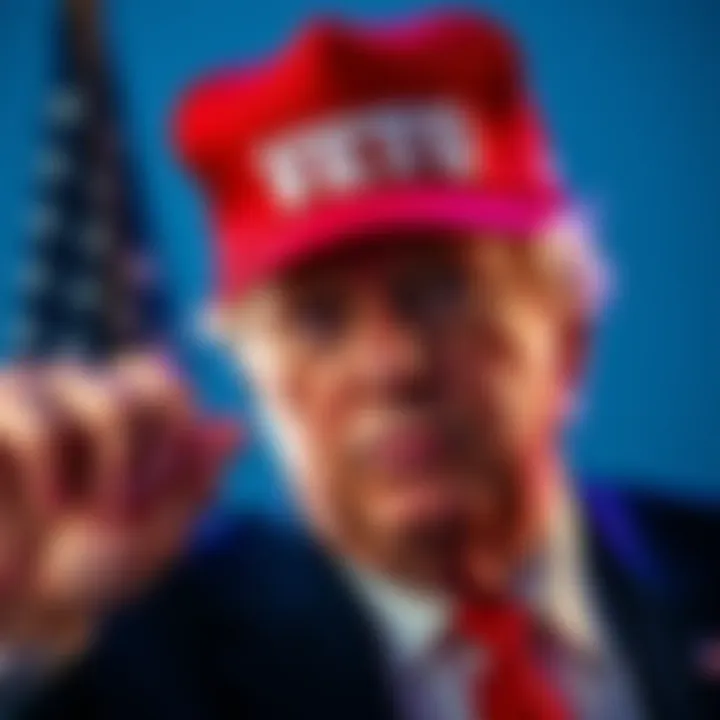
Former President Donald Trump stirred controversy after posting a photo of a "VETO" MAGA cap, just as Democrats secured control of Congress. This comes at a time when his influence is questioned, raising eyebrows among his supporters and critics alike.
Context of the Controversy
With Democrats recently taking Congress, many are speculating how Trump's strategy will unfold over the next two years. The discussion on various user boards shows a mix of skepticism and amusement over the fact that Trump appears unfazed by his current political standing.
"He’s a lame duck president pretending he’s still in control," one comment read.
Critics are rallying, suggesting that he may now be more easily overridden by Congress, given his diminishing power. However, Trump’s supporters push back, arguing for his continued influence.
Key Themes Emerging from User Reactions
Concerns Over Power: Many comments suggest that Trump's veto power may not hold much weight now, especially if Republicans start to distance themselves from him.
Perceptions of Control: Posts depict Trump as out of touch, with some labeling him as an embarrassment to America.
Calls for Accountability: Users urge lawmakers to pass beneficial legislation that could expose Trump's leadership weaknesses if he chooses to veto.
"If he vetoes everything, he’ll look like a mentally deranged idiot," commented one user.
Sentiment Analysis
The overall sentiment on social media appears to be leaning negative towards Trump’s current actions, with many users expressing frustration.
🚩 Key Takeaways
△ Many express disbelief at Trump's refusal to adapt to his reduced influence.
▽ Comments suggest that Congress's power to override vetoes may limit Trump's effectiveness.
※ "Such a petty, unserious man," one comment captures the mood of critics.
As Trump grapples with his evolving role, the political landscape may shift significantly in the coming months. Some are asking: what does this mean for the future of his administration's agenda?
Predictions of Trump's Political Landscape
There’s a strong chance that Trump's veto power will diminish as Congress gears up to pass legislation that counters his agenda. Experts estimate around a 70% probability that bipartisan support for key bills will lead to successful overrides of any Trump vetoes. As skepticism from both sides of the aisle grows, Republican lawmakers may begin to distance themselves, fearing his increasingly polarizing stance could harm their own political futures. If Trump fails to adapt to this new reality, his influence may wane further, pushing his followers to reconsider their allegiance as the political machine rolls forward without him in the driver's seat.
A Nod to the Past: Surprising Similarities
In a way, Trump’s current situation mirrors the aftermath of the 1960 election, when Richard Nixon famously declared his hope for a political comeback after losing. Just as Nixon faced a tough challenge in re-establishing his leadership image, Trump too appears caught in a web of self-doubt and public impression. While Nixon’s eventual return was framed less on a solid political base and more on seizing the moment of discontent, Trump might find himself in a similar bog where the terrain shifts significantly without him ever noticing. As history shows, those who thrive on rapid change must also be ready to pivot when the ground shifts beneath them.