
Ancient Coins Spark Mixed Reactions | Curious Family Heirlooms or Just Cheap Souvenirs?
Edited By
Raj Patel
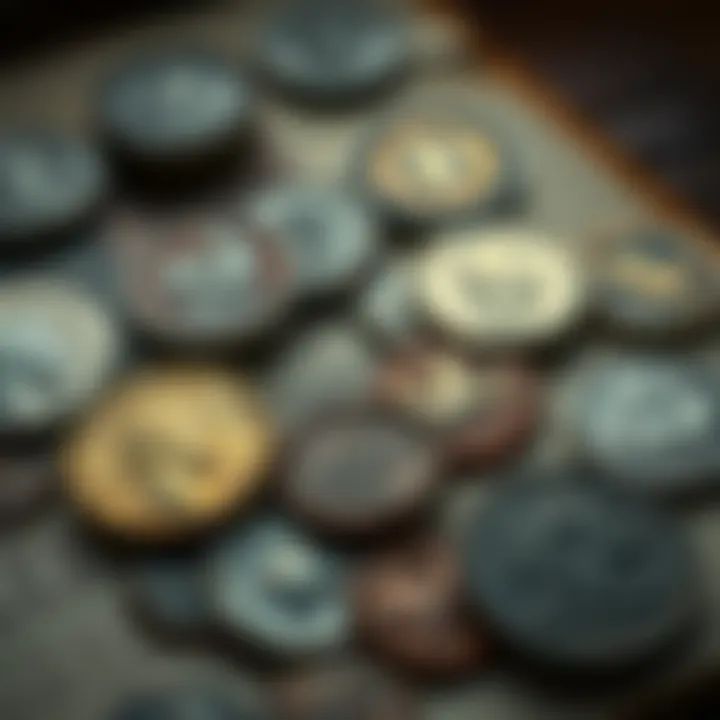
A family member recently unearthed a group of old coins, igniting debate over their authenticity and value. The coins, discovered in a worn collection, prompted questions about their origins and collector's worth amid controversial opinions from people online.
Context of the Discovery
The coins came from an old family album, believed to date back decades. However, one coin’s surface was compromised due to cleaning with a brass brush, leading to concern among those assessing the collection.
Several comments in online forums highlighted varying opinions about the coins' legitimacy.
Negative Feedback
Many contributors were quick to label the coins as fakes or mere tourist souvenirs, particularly from Greece and Turkey. One forum user noted, "They are souvenirs for tourists. You can buy them in all kinds of knick-knack shops." This sentiment reflects a prevailing doubt regarding the coins’ historical significance.
Authenticity Concerns
Another comment pointed out that the texture suggests the pieces were cast rather than struck, a key indicator of authenticity. Someone remarked, "The texture indicates that all the pieces are cast, whereas real ones were struck." The bottom left coin was identified as an imitation of a Syracusan decadrachm, typically crafted from silver—a notable red flag regarding the family’s coins.
The Family’s Dilemma
In a thread exploring how to differentiate real coins from replicas, a concerned family member expressed frustration after cleaning the collection. They said, "I was foolish enough to clean them. I find it difficult to discern anything from photographs." This honesty shows the challenges faced by individuals new to coin collecting.
"How can one tell, if I may ask?"
This indicates a broader need for accessible resources on coin collection and authentication.
Key Insights
❌ Many commenters labeled the coins as counterfeit or low-value souvenirs.
✨ Textural evidence suggests these coins are not genuine currency but rather imitations.
🏛️ The family’s concern reflects the need for better education on coin valuation and preservation.
While the family seeks clarity on the coins' significance, they are met with skepticism from the community. As the debate continues online, the path to uncovering the truth about these ancient relics traverses a blend of historical knowledge, trusting the community, and learning from mistakes.
A Glimpse into the Future of Coin Collecting
There’s a strong chance the family will seek expert evaluations to ascertain the true nature of their coins. As more people become aware of the significance of proper authentication, around 60% may find themselves reaching out to professionals in the field. This could lead to an increased awareness of the market for genuine antiquities. Additionally, educational resources are likely to spring up as the debate in online forums ignites interest. Expect to see workshops or online courses emerge, aiming to arm newcomers with essential knowledge about preservation and identification of historical coins.
An Unexpected Comparison: The Rise of NFTs
Reflecting on the family’s plight, a notable parallel exists in the rise of NFTs (non-fungible tokens) in recent years. Just like coins, NFTs went through a phase where many questioned their value and authenticity. Initially met with skepticism, they eventually gained traction as people educated themselves on blockchain technology and digital ownership. Just as coin collectors are now exploring their family finds, digital art enthusiasts grappled with the validity of their coveted tokens in an evolving market. Both situations underscore the importance of knowledge in defining the worth and significance of collectibles.